When purchasing a pre-owned car, knowing what you are getting is something that is important to many buyers. Knowing the history of your pre-owned vehicle gives drivers peace of mind when making this new investment. Dealerships, like New Jersey State Auto Auction, offer services that give you a complete report on the vehicle you are purchasing.
Buyers deserve to know what they are about to spend their hard earned money on and are entitled to a history of the pre-owned vehicle. CARFAX reports are a great way to learn more about the car you are about to buy. Some dealerships offer free reports to customers, providing them a detailed report on their future investment. CARFAX Vehicle History Reports use the car’s vehicle identification number located on the car to gather the unique information and compile it into a thorough report. These reports can influence the final decision of any buyer. These reports can show things like inspection results, service records and accident history. Though every vehicle is thoroughly inspected, the CARFAX report is an added benefit to customers.
Knowing all the information you can about your future pre-owned vehicle can save you in the long run. Research like the CARFAX report is an great step. If you are interested in looking at a pre-owned vehicle, visit New Jersey State Auto Auction. For more information about our services and our current stock, check out our website!
When buying a car, people can get distracted by the thrill of the purchase or excitement over certain features in their new car. It is important to remember that buying a car comes with lots of paperwork. It is helpful to know what you will need and what to look for when buying your vehicle.
Most dealerships take care of all of the paperwork for their customers, but it is always good to know what you should expect. Each state has different paperwork involved, so knowing what to look for, especially if you have recently moved or are buying a car out of state, is crucial. To purchase a vehicle in New Jersey, paperwork you should receive from the dealership will include a bill of sale, the title for the vehicle and an odometer reading statement. These documents will be needed for you to register your car at the New Jersey Motor Vehicle Commission’s office. Once the car is registered and the fees are paid, you will get new license plates.
The most important document you should look for when purchasing your vehicle is the title. There will be sections that will need to be filled out by both you and the dealership. It will contain information like the price and date of sale, the odometer reading and all of your information.
Learning about the process of purchasing a car is helpful and can save you a lot of time. Dealerships, like New Jersey State Auto Auction, can answer any questions you might have when you are purchasing a pre-owned vehicle. If you are interested in learning more about the services at the New Jersey State Auto Auction, visit our offices or check us out online! We would love to help you find your next pre-owned vehicle.
When looking to buy a pre-owned car, researching the vehicle you are interested will help you decide what is the best option for you. Knowing about the warranty of the car you want is extremely helpful and can save you a headache in the future. Most dealerships, like New Jersey State Auto Auction, will have information ready for you, but it is a good idea to do your homework before taking the next step.
Car manufacturers offer certain warranties on their new vehicles that tend to expire after a certain period of time or once the car reaches a certain mileage. These warranties are different for each vehicle and can protect new cars from costly problems. Many people believe that buying a used car voids these benefits, but that is untrue.
A certified pre-owned vehicle protection plan begins once the original warranty ends. Different brands have different benefits, but car manufacturers like Chevrolet extends their bumper-to-bumper warranty. Other companies like Honda, adds years to their powertrain protection. BMW goes as far as extending their new car warranty, offering owners roadside assistance and emergency services to their pre-owned car drivers. Knowing what warranty and options you have are important and can influence your decision when purchasing your new pre-owned car.
At New Jersey State Auto Auction, we can help you look at your options and determine the best fit for you. Doing your research and knowing what you want before you look is very important and will make the buying process much easier. If you are ready to start looking for your next car, visit New Jersey State Auto Auction to view everything we have to offer. To view our current inventory and learn about our services, visit our website.
So you’re in the market for a great pre-owned vehicle. And if you’re smart, you’ve set a budget. After all, it’s so easy to get distracted by all the bright and shiny vehicles on a lot and be tempted to buy something that’s beyond your bank account. If you’ve set a budget of $25,000 or less, there are some great vehicles that fit your budget, according to Autotrader.com. Let’s take a look at some of theme:
2013 Buick Encore–this is actually considered a new category, the super-compact premium crossover SUV. It gets great gas mileage and has a super quiet interior.
2013 Camaro—This packs a lot of fun into your budget. The Camaro V6 Coupe is one hot looking car, plus it delivers 300 horsepower. With the automatic transmission, you’ll get 30 mph while having fun on the road.
2013 Dodge Dart—Yes, it’s a subcompact, but the backseat can handle two adults comfortably. And with an Alfa Romeo-derived suspension, it’s bellissima at less than $16K.
2013 Fiat 500—You’ll get mucho fun for about $16K, plus 31 mph city/40 mph hwy with the manual. You also get a peppy standard 1.4-liter MultiAir engine.
2013 Ford Focus—for under $16,500, you get a true entry-level luxury ride with terrific fuel economy. Worth checking out.
2013 Honda Accord— For under $22k, you get an upscale looking sedan with lots of character—and great mileage, too.
While we can’t guarantee these exact models are on our lot at New Jersey State Auto this week, if they’re not, we can find one for you. You’ll find a tremendous variety of pre-owned trucks, sedans, crossovers, SUVs and more here, and there’s one to fit your budget.
Does the idea of buying a pre-owned vehicle sound good to you? After all, you don’t end up with that instant depreciation that you do when you buy a new car. And, with so many Americans leasing vehicles, there are more quality pre-owned vehicles on the market than ever.
But how can you be sure you’re buying a great pre-owned vehicle? Actually, there are several ways you can be sure.
Buy from a reputable dealer, instead of an individual. Let’s face it. With social media sites like Yelp out there, if a business isn’t reputable, it’s easy to find out about it. Look for a dealer who has been in business for a long time. Common sense tells you, a business can’t be around for long, if they don’t treat customers right.
Make sure you get a warranty–and one that lasts longer than a week. At New Jersey State Auto, we provide a three month/5,000 mile warranty with every vehicle–plus you get Roadside Assistance, too.
Check out the CarFax report. This report will tell you how many owners the vehicle has had, and if there is clear title. In addition, you’ll know what kinds of accident the vehicle has been involved in, and you can see if the appropriate repairs have been performed. Plus, all vehicles checked with carFax have the CarFax BuyBack Guarantee at New Jersey State Auto.
Pay for a Mechanic Inspection before you buy. While it will cost you a little money, it will provide you with great peace of mind. With a mechanic inspection, you’ll learn if the right kinds of replacement parts have been used, and if major repairs will be needed in the near future.
Look beyond the exterior. Sure, it might look like new on the outside, but look under the hood, too. If you see rust, it probably hasn’t been maintained well.
At New Jersey State Auto, we’re here to help you find the right vehicle at the right price. We’ll answer all of your questions, so you feel confident with your purchase.
The 2017 Audi A3 received a five-star safety rating from the National Highway Traffic Safety Administration. The 2017 Audi S3 also received top marks from the organization. Both vehicles will be on the market beginning October 2017. This spectacular safety rating applies to each edition of the vehicles, both front-wheel-drive and all-wheel-drive. Both high scores in the extensive testing performed. These tests include a front crash test, side crash test and a rollover crash test. These assessments allow the National Highway Traffic Safety Administration to properly administer the most accurate score possible.
The 2017 Audi A3 and the 2017 S3 have been updated with several safety features that come standard in each model. One of the features included is a radar-based system that warns drivers of potential forward collisions. This system also is equipped with automatic braking.
The 2017 Audi A3 also has standard antilock brakes, a rearview camera, traction control and stability control. There is also a new feature called Audi Pre Sense Basic. This feature automatically tightens seatbelts and closes windows if it senses a potential frontal crash. Another option available on specific models is active lane keeping assist. This system alerts drivers if they begin to stray from their lane if they are traveling over 40 mph. Numerous other safety options are available on the Audi A3.
As Audi continues to increase the safety with the addition of new technology to their new vehicles, you can expect the same level of safety and quality engineering from a pre-owned Audi. To view a wide selection of pre-owned models, visit New Jersey State Auto Auction.
The time has come. Summer is almost over, and fall semester is right around the corner. You’ve been holding it down in your childhood bedroom for months, but soon you’ll be heading back to your dorm room until Christmas break. Unfortunately, that means figuring out how you can consolidate a room’s worth of clothing, accessories and furniture to fit into your tiny compact car.
But don’t worry – packing up your vehicle for college doesn’t have to be a nightmare. Here are a few tips to consider before you start the process:
Get a tuneup
a
Before you begin packing, make sure you take your car in for a tune up. This can save you the hassle of potentially breaking down on the side of the road en route to your college dorm. According to Car Care, you should get the following checked during your maintenance appointment:
Engine oil level.
Windshield washer fluid.
Tire condition.
Dashboard indicator lights.
Once the technician has performed those tasks, you should be good to go for your trip. Just remember to schedule another appointment in three months for another tuneup.
Choose efficient storage containers
Sure, large transparent bins might be handy and efficient for the unpacking process, but are they the best choice for the allotted space? Those containers are going to take up a lot of room in your car, which means they’ll probably add clutter to your dorm too. Instead of creating unnecessary chaos, choose the space-saving storage option. All You magazine suggested packing your items in medium-sized containers they can stay in, such as plastic carts and storage drawers. Otherwise, use small boxes or bags that don’t take up too much of the cabin.
Don’t overpack
Once you’ve determined what you’ll use for storage, think long and hard about what you’re going to take. Packing light is your best option, as it’ll allow more space in the car during the move. Besides, you’re heading to a new room, and you shouldn’t be trying to mirror your old one. Professional organizer Andrew Mellen told All You that you should be willing to make some changes in college, and bringing everything you own can keep you from accomplishing that.
“Always pack light.”
“Be available for the adventure of college, rather than try to recreate a childhood bedroom experience in your new life,” he said.
Only bring items you couldn’t imagine living without. Those old high school yearbooks and stuffed animals from the fifth grade? They can stay at home.
Buy essentials later
If your mother is an extreme couponer and loves to shop in bulk, there’s a chance she’s going to want to give you enough toiletries to last the entire semester. While that’s extremely generous of her, those items are only going to take up space in your car that you could use for something else. You can thankfully decline to save some space, or simply ask her to take you for a shopping trip after you’ve unpacked the car at school. Then, you’ll have tons of space to transfer those bulk items back to your dorm.
To save some space in the car, only invite one person to help you unpack.
Don’t invite the entire family
If you want to make the most of the room in your car, minimize the amount of people you invite for the trip. Consider leaving the front seat open for one passenger, but dedicate the rest of your cabin to your belongings. If more people want to assist with the move-in process, simple ask them to bring a second car. Maybe they’ll even offer up the extra space in their trunk for those items you just couldn’t part with.
Need a new ride for college? Head to NJ Auto Auction, where you’ll find a lot full of quality, Carfax-certified vehicles to choose from. Or, if your car just needs a good tuneup, head to the shop and let the technicians get it ready for the road.
Nothing puts a damper on your day quite like your car breaking down while you’re stuck in traffic. It’s not only an inconvenient situation. It can also be extremely intimidating if it’s never happened to you before. Whatever you do, stay calm. Panicking in the middle of the road will only make matters more stressful.
There aren’t many ways to prevent a breakdown, but there are certainly steps you can take to ease the situation. Consider the following tips:
1. Prepare for the worst
You never know when something could go wrong with your ride. Keeping up with your car’s routine maintenance services is helpful, but that’s not always a safe bet. That’s why you should always take precautionary measures before you hit the road. AARP suggested packing an emergency roadside kit to prepare for an unexpected breakdown. Include the following in the box:
Emergency signaling devices.
A pocket knife.
A flashlight.
A first-aid kit.
Water.
Non-perishable food items.
Before winter’s arrival, add a warm blanket, hat, scarf and pair of gloves to the kit.
2. Turn on your hazard lights
Once you’ve realized there’s something wrong with your car, turn on your hazards. This notifies the other drivers that something is wrong, and that they need to continue driving around you.
3. Move to a safe spot
After turning on your hazards, The Travelers Indemnity Company said you need to move your car over to a safe spot, whether it’s on the side of the highway or a side street. This can keep the traffic flowing and prevent an accident from occurring. If your vehicle won’t start back up at all, just remain inside and call for immediate assistance.
Move your car to a safe spot on the highway.
4. Set up the emergency equipment
If you’ve moved to a safe place and have the ability to leave the car, Esurance suggested setting up your flares and triangles right away if you have them. Both flares should be behind your vehicle – about 10 feet from each other – and the triangle should be closer to you and your vehicle. This helps passers-by see you despite darkness, rain or fog. It also gives the emergency assistance an easy ticket to find your location.
If you don’t have the triangles or flares, simply pop your hood. It’s the universal sign of a breakdown.
5. Use good judgment with strangers
It’s a nice gesture when strangers pull over to help you out, but you want to be careful. Consumer Reports suggested exercising caution when someone unfamiliar approaches. If a suspicious person stops to help, let the stranger know you’re OK and that a tow truck is on the way.
6. Always stay with your car
Moving away from your vehicle during a breakdown is never a good idea. Walking around aimlessly on the highway is unsafe. And if you’ve left your vehicle on the side street to go grab a burger while you wait, you could miss the tow truck. Staying with your car is a safe and practical move during this emergency situation.
Make sure you don’t leave you car while it’s broken down.
7. Clean up your mess
If the reason you’re broken down is because your fender or another car part fell off, make sure to pick it up before you leave. It’s not only wasteful to leave such things behind, but it’s also not good for the environment. Do your part and clean up the mess you’ve made before you flee the scene – just be sure to wait for traffic to die down if it’s out in the middle of the road.
You can’t predict when you’ll break down, but you can do your best to make sure your car is always in its best shape. For routine maintenance services, head to New Jersey Auto Auction. Our technicians can fix up your ride and ensure you’ll be safe on the road.
If they do find that your car is no longer suitable for the road, just check out our lot! We have hundreds of quality Carfax-certified vehicles that sell for a great price – perfect for an emergency situation.
Owning a car makes life more convenient, but it comes with a price. Between paying for gas and insurance, as well as making sure your vehicle is always up to date with maintenance services, you have to hand over a pretty penny. But while being a car owner can be expensive, there are loopholes you can take to save some money.
Here are 10 of the easiest ways to save cash as the owner of a vehicle:
1. Reconsider your current car
If the car you’re driving is a gas hog or requires service more often than you can afford, it’s time to trade it in. Search for an inexpensive vehicle with little to no damage and is great on gas. Making an entirely new investment might seem like a huge expense at first, but it’ll save you more money in the long run.
2. Shop frugally for a new ride
When you decide to buy a new car, don’t let the dealer talk you into getting fancy accessories. Those extra add-ons are only going to add to the monthly bill. If you’re looking to save a lot of money, just find yourself a vehicle that’s going to get you from point A to point B safely. After all, do you really need the sound system and heated seats?
If you need to save money, your car doesn’t need to have all the bells and whistles.
3. Search for the most affordable insurance
If your car insurance seems to be burning a hole in your pocket, it’s time to search for a more affordable plan. Switching insurance can save you money, just take some advice from Defensive Driving.com and don’t immediately take the first quote you get. Instead, shop around until you find the best deal that caters to your budget. Some companies will even set you up on a plan that lets you pay biannually instead of monthly, which can also save you a lot of cash in the long run.
4. Keep up with routine services
Showing your car some TLC throughout the year might seem like an unnecessary added expense to you, but it’ll actually save you money, according to what Leona Dalavai Scott, editor of AutoInc. told Bankrate.
“If you maintain your car, you’re avoiding expensive repairs down the road,” she said.
“Showing your car some TLC will save you money.”
Think of the mechanic as your car’s doctor. By taking your ride in for routine services with him, he’ll make sure everything is running smoothly to avoid a potential breakdown – something that could cost a huge chunk of money in repairs. That means changing the tires, oil and filters whenever necessary.
5. Learn how to maintain your car on your own
Maintaining your car is key, but that doesn’t necessarily mean you have to take it to the mechanic. If possible, learn how to do these services on your own. A good portion of the price you pay at the auto shop goes to labor fees, and you can avoid these expenses by taking care of things on your own. Changing your tires and oil are easier tasks than you think, just take a look at these guides.
6. Wash your car on your own
Taking your car to the automatic carwash might be convenient, but it’s not the least expensive option. Simply take care of the task on your own! Invest in a bucket, some sponges, car washing liquid and wax that’ll last you the entire summer. Buying these tools to wash your car at home is just another investment that’ll save you money down the road.
7. Search for cheap gas
Don’t just buy gas at the station that’s right up the road. Drive around and search for the lowest priced fuel. Make matters easier on yourself and download an app that does the job for you, such as GasBuddy. Simply pull it up, set your location and it’ll find the best gas prices near you.
8. Be mindful of your gas usage
Owning a car might make getting around more convenient, but it’s not an excuse to be lazy. If you can avoid driving somewhere to save gas, just walk. It’s not only a money saving option – it’s good for the environment and it’s great exercise.
If your destination is in walking distance, leave your car at home.
9. Drive cautiously
When you speed, accelerate senselessly and brake hard, you’re wasting gas – which also means you’re blowing money. In fact, research by the Oak Ridge National Laboratory found that aggressive driving can lower highway gas mileage by 33 percent. Drive cautiously and be mindful about your gas and you’ll likely see a difference in your gas mileage.
10. Carpool with your buddies
When you choose to carpool with friends or family members, you’re saving money in so many ways, according to what Christine Maley-Grubl, project manager at the Metropolitan Transportation Commission in San Francisco told Bankrate.
“When you’re carpooling, you’re saving money on gas, on tolls and on maintenance,” she said. “You can use the high-occupancy vehicle lanes, so you get to work faster.”
Talk to your colleagues and see if they’d consider carpooling – it could save all of you time and money!
If you’ve decided to shop for a new car but aren’t sure where to get started, stop by New Jersey Auto Auction. Our salesman will introduce you to a lot full of inexpensive Carfax-certified vehicles to choose from.
Summer’s almost over and your car made it through the extreme temperatures. While it’s going to get a break from the heat, that doesn’t mean you shouldn’t keep taking care of maintenance, especially before fall’s arrival. After all, the cooler temperature and inclement weather will be on its way before you know it.
It’s important to weatherize your car before every change in season. Here are 10 tips on how to get your ride ready for autumn:
1. Check the brakes
As the temperatures get colder, you’ll want to make sure your brakes are working well to prepare for slick roads. To ensure your safety, the Car Connection suggested taking your car in to get your brakes checked. Most auto shops will inspect them for no charge, so the precautionary step is worth it.
2. Monitor the tire pressure
Much like your brakes, your tires need to be ready for inclement weather. That means frequently checking on the air pressure either manually or by paying attention if your vehicle has a dashboard alert for tire pressure. According to the Car Care Council, air pressure in a tire decreases one to two pounds for every 10-degree change in temperature. Look at your owner’s manual for suggested pressure levels.
3. Check your spare, too
When monitoring the pressure of your tires, be sure to check out your spare. Typically, the inflation pressure for it will be listed on its side, according to Bankrate. If you can’t find it, check the owner’s manual or seek advice from a mechanic.
Check your tire pressure this summer to prepare for fall.
4. Top off windshield washer fluid
Keeping your windshield washer fluid topped off is an important safety precaution, especially when preparing for inclement weather. But don’t just refill it with the same solution you’ve been using all summer, according to what Tony Molla, spokesman for the National Institute for Automotive Service Excellence told Bankrate.
“Topping off your windshield-washer fluid is an important safety precaution.”
“In fall, windshield-washer fluid needs to be replaced with a solvent that is suited for use in cold weather,” he said.
This special fluid only costs about $2 to $4 per gallon, so it won’t set you back much.
5. Replace the wiper blades
Fall is the best time to replace your wiper blades. Molla told Bankrate he suggests taking care of this maintenance service before winter for many reasons.
“You generally use your wipers more frequently in the fall and winter,” he said. “They’ll also be taking a lot more abuse from road grime and windshield-washer solvent, so it’s best to have a fresh set.”
Replacing the blades is a simple service and will only cost you about $10 to $20.
6. Fix broken lights
The days are going to get shorter, which means you’ll be driving in the dark more often in the fall than you were in the summer. To prepare, make sure all of your lights are working properly. That includes headlights, taillights, parking lights, brake lights and emergency flashers.
7. Make sure your heater works
If you neglect to make sure your heater is working before fall, you might find yourself shivering in your seat on a cold day. To keep this from occurring, just monitor it frequently or take it to the shop for a thorough inspection.
8. Get the battery checked
The older your battery is, the less likely it will hold a charge if it dies. Nobody wants to sit on the side of the road on a cold fall day waiting for a tow truck. Take your car in to the mechanic and ask for a battery inspection. If the technician finds corrosion on the terminals or a loose connection in the cables, it’s likely time for a replacement.
Take your car to the auto shop to see if the battery needs to be replaced before fall.
9. Replace the air filter
Bankrate reported to replace your engine air filters twice per year, so take care of it this fall if you haven’t since the beginning of the year. A dirty filter restricts airflow and fuel economy, which can ultimately worsen your car’s overall performance. This is a simple task that will take a maintenance worker a few minutes to take care of, just call in to schedule an appointment.
10. Change the oil
This is something you should keep up with year-round, but if your car is due for an oil change, take it to the shop before fall’s arrival. Dirty oil can hurt the engine and lead to permanent damage if it’s not changed.
Preparing your car for fall doesn’t have to be a hassle. Just bring it in to New Jersey Auto Auction and let our mechanics take care of all of your maintenance needs.


 To save some space in the car, only invite one person to help you unpack.
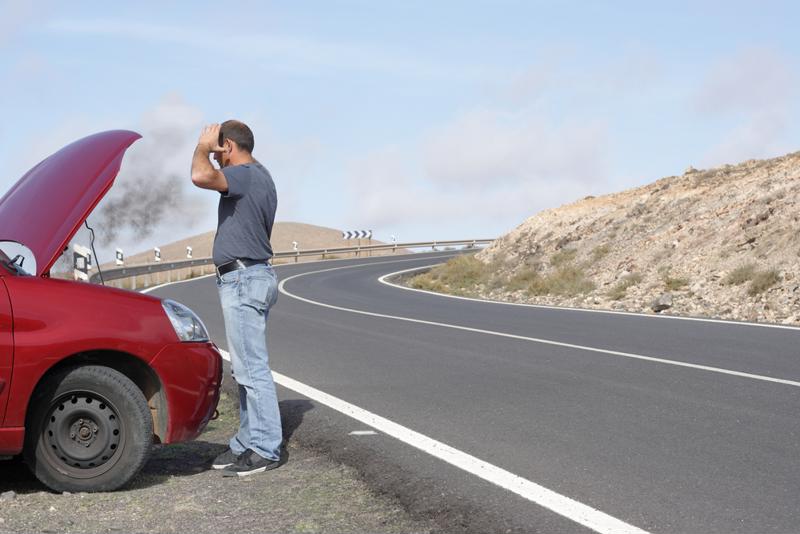 Move your car to a safe spot on the highway.
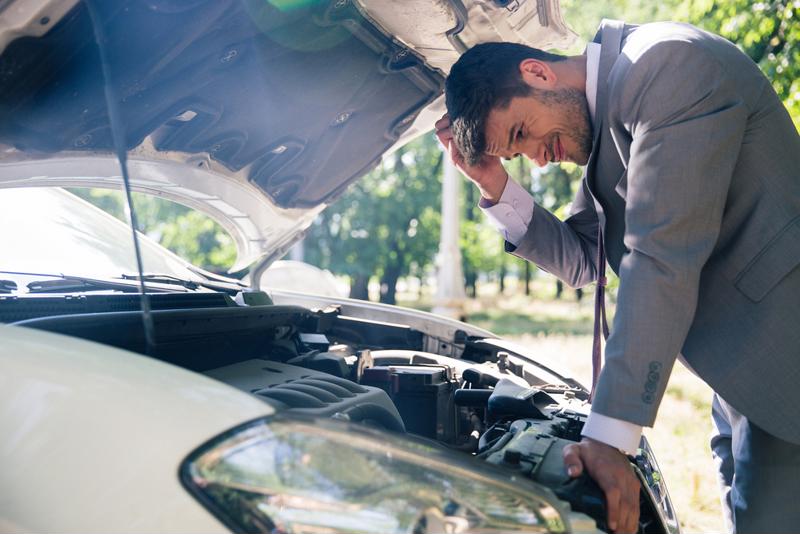 Make sure you don’t leave you car while it’s broken down.
 If you need to save money, your car doesn’t need to have all the bells and whistles.
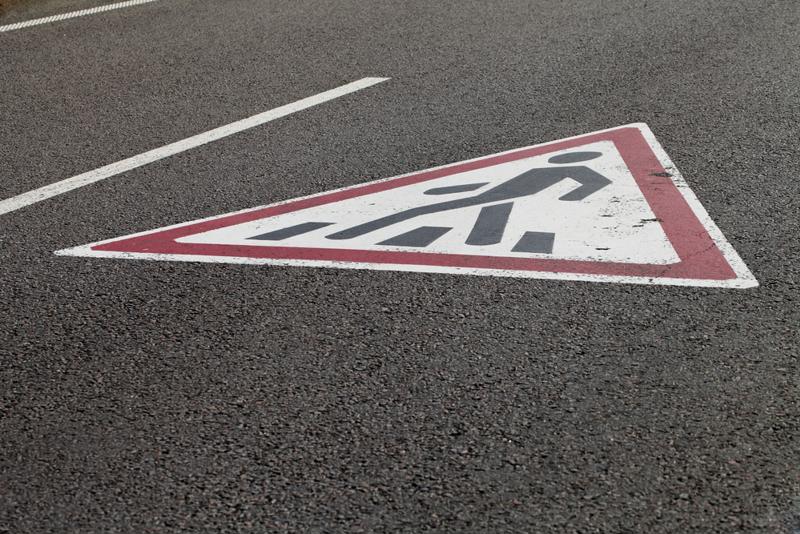 If your destination is in walking distance, leave your car at home.
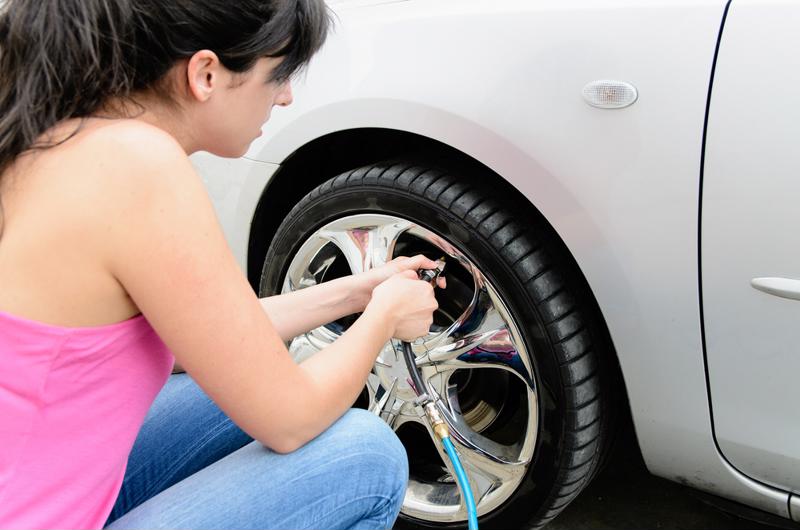 Check your tire pressure this summer to prepare for fall.
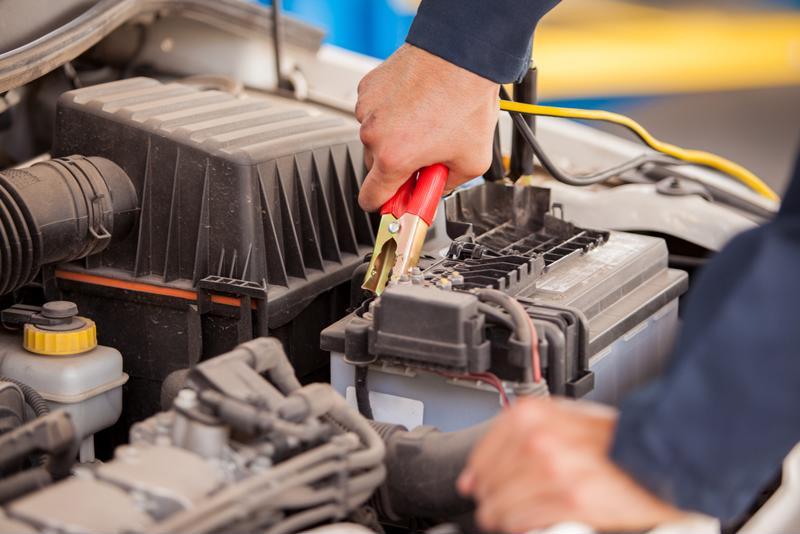 Take your car to the auto shop to see if the battery needs to be replaced before fall.